Electrician vs. Electrical Contractors in Philadelphia: The Difference

Yes, there is a difference between an electrician and electrical contractors in Philadelphia. An electrician usually does the hands-on wiring, repairs, and testing, while an electrical contractor often runs the full job, handles permits, and may manage a crew.
That difference matters when you hire. It affects safety, price, scheduling, and who is best for the work. If you're comparing electrical contractors in Philadelphia for a home or business project, the right choice depends on the size of the job and the level of planning it needs.
For homeowners and business owners who want a vetted, properly licensed under local rules, and insured pro through EAP , this guide makes the choice easier.
What an Electrician Does
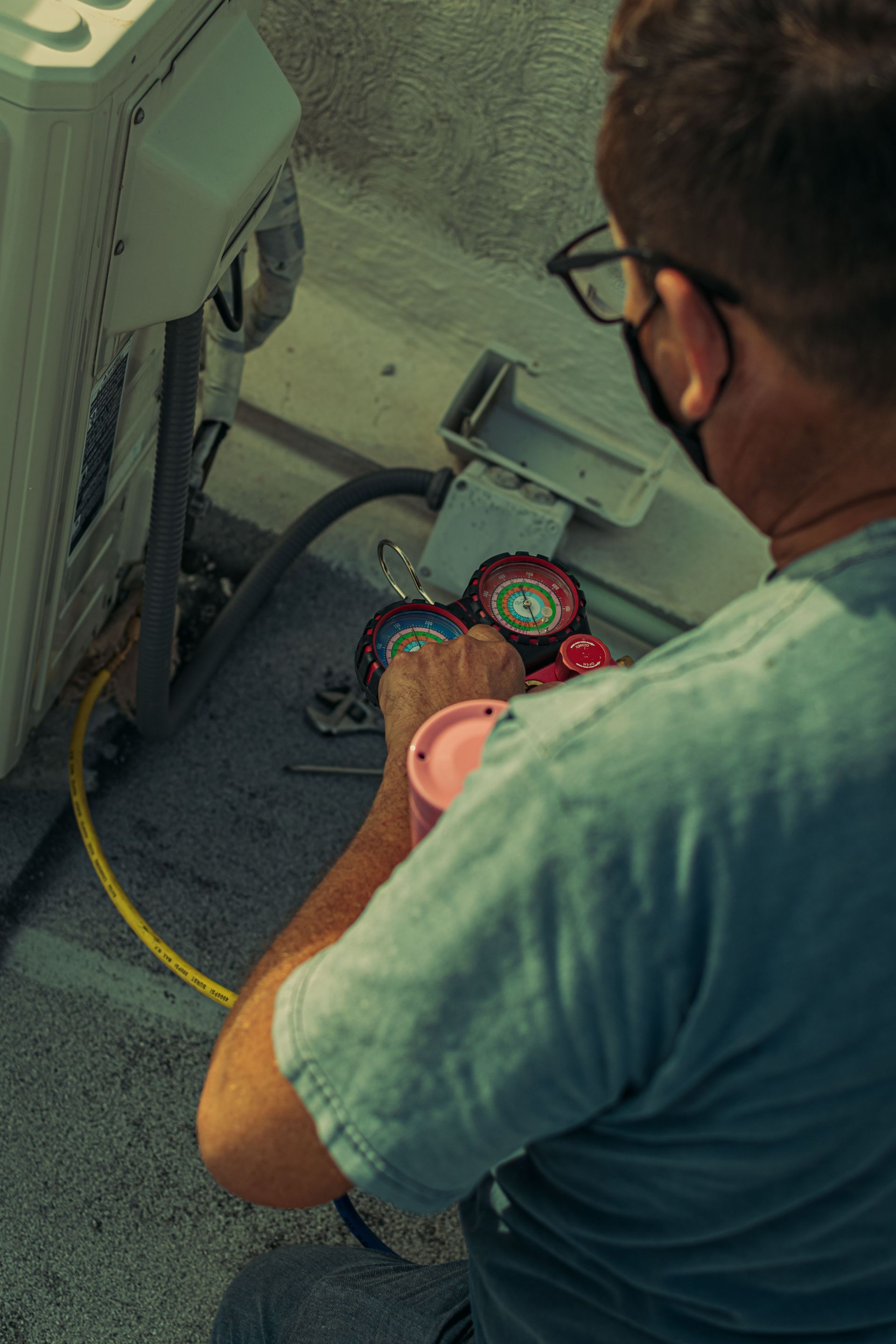
An electrician is the person who performs the electrical work. That can mean diagnosing a dead outlet, replacing a light fixture, tracing a wiring fault, or upgrading a panel. In other words, this is the person with tools in hand, working on the system in front of you.
Some electricians work on their own. Others work for larger electrical contractors in Philadelphia. Either way, their role is practical and direct.
A simple rule helps: electricians do the physical electrical work, while contractors often organize the full project around that work.
Common repairs and installations homeowners ask for
Most homeowners call an electrician for work that is clear, contained, and tied to one area of the home. For example, you might need help when a breaker trips often or a room keeps losing power.
Common service calls include:
- Replacing bad outlets, switches, and dimmers
- Installing new light fixtures, ceiling fans, and recessed lights
- Troubleshooting flickering lights or partial power loss
- Updating an older panel or adding a dedicated circuit
- Checking grounding, GFCI outlets, and other safety items
These jobs often move fast because one skilled person can inspect the issue, explain the fix, and get to work. That speed matters when a kitchen outlet stops working or a bathroom light fails before guests arrive.
Electricians also do safety checks. If a home has old wiring, warm outlets, or signs of overload, a licensed electrician under local rules can spot trouble early.
When you need a licensed electrician instead of a bigger team
Small jobs usually don't need a project manager or a full crew. If the work is limited to a repair, a swap, or a simple upgrade, one electrician may be enough.
That is often true for:
- Service calls
- Minor wiring repairs
- Fixture replacements
- Single-room upgrades
- Basic troubleshooting
A larger setup can add cost when the job doesn't need it. So if the work is short, direct, and unlikely to require much coordination, hiring one qualified electrician makes sense.
Still, there is a line. Once the project touches permits, multiple systems, or other trades, the job often shifts from a service call to a managed project. That is where a contractor becomes the better fit.
How electrical contractors in Philadelphia handle bigger projects
An electrical contractor is often the business behind the work. The contractor may employ electricians, assign labor, order materials, schedule visits, manage paperwork, and keep the whole job moving.
That matters on projects with more parts and more people. A kitchen remodel, a generator install, a service upgrade, or a commercial build-out usually needs more than one person showing up with a tool bag.
Project management, permits, and code compliance
Bigger jobs come with moving pieces. Someone has to line up labor, check the scope, work with inspectors, and keep the timeline on track. That is a core part of what contractors do.
Permits are a good example. In many cases, electrical work must meet local rules and pass inspection. Pennsylvania does not issue one statewide electrician license, so licensing and related requirements often depend on the local municipality. Because of that, Philadelphia area jobs can require close attention to city and local standards.
A contractor helps by taking care of the details that homeowners often don't want to juggle, such as:
- Pulling permits when the work requires them
- Coordinating inspection timing
- Matching the work to local code
- Managing crews and subcontractors
- Keeping records tied to the project
That support lowers the chance of delays and mistakes. It also gives the property owner one clear point of contact.
Why homeowners often choose a contractor for larger electrical work
Larger projects create stress fast. One delayed inspection can hold up drywall, flooring, HVAC work, or move-in dates. So many homeowners choose a contractor because they want order, not confusion.
A contractor often fits best for remodels, additions, whole-home rewiring, generator systems, major service changes, and commercial jobs. The same goes for electrical work tied to HVAC equipment, energy systems, or backup power.
For example, a new standby generator may need load planning, transfer equipment, permits, and coordination with other trades. A commercial tenant fit-out may need lighting, panels, emergency systems, and a schedule that works around other contractors. In both cases, the contractor is there to run the job from start to finish.
Licensing, insurance, and why vetting matters in Pennsylvania
Credentials matter because electrical work carries real risk. A bad connection behind a wall does not stay small for long. Because Pennsylvania does not have one statewide electrician license, you need to verify what applies where you live and what the company holds under local rules.
That is one reason people search carefully for electrical contractors in Philadelphia instead of hiring the first name they see. Insurance, experience, and a clear process protect the homeowner as much as the wiring does.
EAP helps people start with member professionals who value trust, professionalism, and accountability. That doesn't replace your own checks, but it gives you a stronger starting point. EAP Members already meet baseline requirements to work in Pennsylvania, including active insurance, HIC registration (for residential work), and a license for those conducting work in Philadelphia county.
What homeowners should ask before hiring
A short conversation can tell you a lot. Before you hire, ask questions that show whether the company is organized and ready for your type of work.
Ask about:
- Local license status or registration, if the job requires it
- Liability insurance and workers' compensation coverage
- Experience with similar homes or project types
- Who will manage the work day to day
- Whether permits or inspections are expected
- How estimates, change orders, and scheduling are handled
Clear answers are a good sign. Vague answers usually lead to bigger problems later.
Signs a contractor is worth trusting
Trust shows up in the small things first. Good contractors return calls, explain the scope in plain language, and put details in writing. They also tell you when a job is simple and when it is more involved.
Look for proof, not promises. A trustworthy contractor can show coverage, explain local experience, and describe the process from estimate to completion. You should also know who is coming to the job, who supervises the work, and how issues get resolved if the plan changes.
That is where membership can help a company stand apart. Contractors who want a stronger business foundation can review the benefits for electrical contracting companies through EAP.
How to choose the right pro for your home or business
The right choice depends on the work in front of you. Some jobs need one skilled electrician and a quick visit. Others need a contractor who can plan, schedule, and manage the whole scope.
When the project gets bigger, the cost of poor coordination rises fast. So the decision is not only about price. It is also about safety, timing, accountability, and who will own the result.
Best fit for small repairs, upgrades, and service calls
A single electrician is often the right call for direct repair work. That includes fixing an outlet, swapping fixtures, tracing a short, or handling a small panel-related issue.
Homeowners usually want speed on these jobs. They want someone to show up, diagnose the problem, and repair it without turning a small issue into a large project. That is where a qualified electrician shines.
The same logic helps landlords and small business owners. If the work is limited in scope and does not require much planning, a focused service call is usually enough.
Best fit for remodels, generators, HVAC tie-ins, and commercial work
A contractor is often the smarter choice when the job touches other systems or trades. That includes remodels, service upgrades, generator installations, commercial build-outs, and electrical work tied to HVAC equipment.
HVAC contractors run into this often. A new system may need dedicated circuits, disconnects, control wiring, or coordination with city inspections. Generator contractors and energy contractors face similar needs when a project includes transfer equipment, larger loads, or multi-step scheduling.
Business owners also benefit from one point of contact. When a contractor manages the work, the job usually moves with fewer gaps between planning and installation.
Why EAP membership adds value for the whole team
For contractors, EAP membership is built for the company, not only one person. That means owners, project managers, estimators, office staff, electricians, and field techs can all benefit.
That broader support matters because healthy companies are built by teams. EAP membership can help with networking, training, marketing support, business development, and general project connection support.
If you want help finding the right fit for a project, call or fill out the form. If you run a company and want stronger support for your people, explore EAP events, membership benefits, and programs for your full staff.
Conclusion
The short answer is still the right one. Electricians do the hands-on work, while electrical contractors in Philadelphia often manage the full project and may employ the electricians doing the job.
Your best choice depends on the size of the work, the safety needs, and the local rules tied to permits and licensing. Small repairs often call for one skilled electrician. Larger jobs usually need a contractor who can organize the work from start to finish.
If you need a vetted, properly licensed under local rules, and insured professional, call EAP or fill out the form to get connected. If you're a contractor looking to grow, support your team, and build a stronger business, explore EAP membership , events , and company-wide benefits.
Become a Member of The Electrical Association of Philadelphia
Insights to fuel your Electrical Contractor business
Sign up to get industry insights, trends, and more in your inbox.
Contact Us
We will get back to you as soon as possible.
Please try again later.
SHARE THIS
Latest Posts